Archaeology - Roman Artifacts
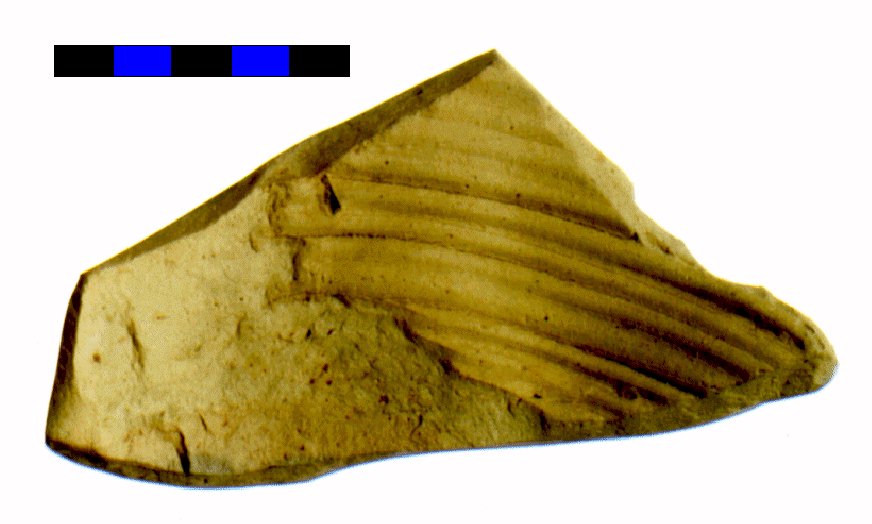 As
shown on the map,
during the time of the Romans, Wieringen was part of the mainland. The
sea was still far off, and Texel and Wieringen formed the highest points
in a vast lowland area. The moraines of Texel and Wieringen were already
inhabited at that time. Roman age finds from Wieringen are rare; they include
the shard of an amphora, and a few sesterces from the 2nd century
A.D.
Because there are few reliable written sources, what we know of Roman
activity in this region is largely speculative.
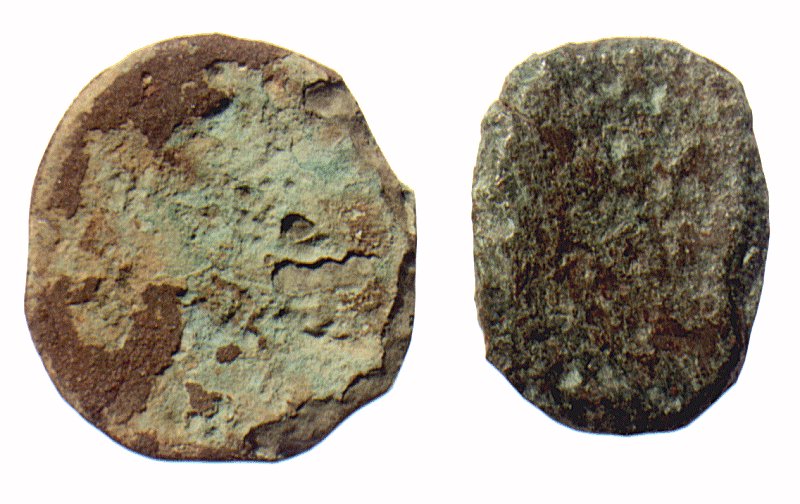 We
know that the Rhine formed the northern border of the Roman empire. In
addition, the remains of a Roman fort were recently found near Velsen (just
northwest of Amsterdam). This must have been an advance
defence
post. The Roman influence was significant in northern regions such as Wieringen.
They engaged in trade, and their armies led campaigns against the rebellious
Frisians. This is how the artifacts must have come to be where they were
found.
Last updated: 19-3-2002